9-Piece Silicone Baby Feeding Set: Suction, Cup & Bib
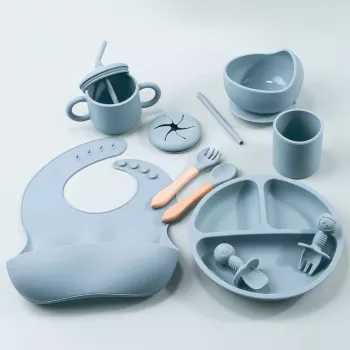
9pcs Baby Silicone Feeding Set with Suction Plates, Bowls, Cups & Bib
Mealtimes get easier when the basics work together: a stable plate and bowl, a cup sized for small hands, and a bib that catches the mess. This 9-piece silicone feeding set is built for everyday use—helping reduce spills, support self-feeding, and simplify cleanup from first tastes through toddler meals.
What’s included in the 9-piece set
A coordinated feeding set takes the guesswork out of building your baby’s mealtime lineup. The core pieces are designed to work together in size, material, and grip—so you’re not constantly switching between mismatched bowls, lids, and utensils.
- Suction plate: ideal for finger foods and divided portions as textures advance.
- Suction bowl: helpful for purees, oatmeal, yogurt, and thicker mashes.
- Cup(s): shaped for small hands to support early sipping skills and reduce tipping.
- Silicone bib: flexible, lightweight, and designed to catch drips and crumbs.
- Utensils: sized for early scooping and dipping as self-feeding develops.
Because all pieces share the same material feel and care routine, the set tends to last longer in rotation—especially when you’re washing items daily and relying on them at every meal.
Why silicone is a smart choice for baby feeding gear
Silicone is popular for early feeding because it balances comfort, durability, and practicality.
- Gentler on gums and emerging teeth: compared with hard plastics, silicone has a softer bite feel when baby is teething.
- Quieter, less clatter: fewer loud drops and less chance of denting a high-chair tray or table.
- Rinses clean quickly: many silicone items clean up well with warm water and mild soap (always follow the product’s care notes).
- Easier grip for little hands: the soft-touch surface is typically less slippery than smooth plastic.
For general guidance on starting solids and building safe routines, review age and readiness recommendations from the CDC and AAP HealthyChildren.org.
Suction plates and bowls: getting a stronger hold
Suction can be a game-changer, but it’s also picky. It performs best on clean, flat, non-porous surfaces—like smooth plastic trays, glass, or sealed wood. Oils, crumbs, and water films can weaken the seal.
- Before each meal, wipe the surface and the suction base to remove oils and crumbs.
- Press down firmly (center first), then test the seal with a gentle tug before adding food.
- If your high-chair tray has texture or a raised pattern, place a smooth liner or placemat underneath to create a better seal.
Quick guide to stronger suction
| Surface type | Suction performance | Simple fix |
|---|---|---|
| Smooth plastic high-chair tray | Strong | Wipe tray and suction base dry before pressing down |
| Glass tabletop | Very strong | Avoid excess water; press from center outward |
| Sealed wood | Good | Clean with mild soap, dry fully to remove oils |
| Textured tray (raised pattern) | Weak to inconsistent | Use a smooth mat/liner to create a flat seal |
| Stone/granite with pores | Inconsistent | Try a smooth board or placemat under the suction base |
Cups for small hands and early sipping skills
Early cups work best when they’re built around a child’s grip and coordination. A short, sturdy cup with a wider base can reduce tipping and encourage controlled sips.
- Look for an easy grip: rounded sides and a stable footprint help little hands hold on.
- Supports a smoother transition: moving from bottle to cup is often easier with consistent daily practice at meals.
- Rinse promptly after milk or thicker drinks: quick rinsing helps reduce lingering odors and film buildup.
Bib design that actually catches the mess
A bib only saves outfits if it catches food before it hits the lap. A wide pocket and comfortable closure make a noticeable difference during messy stages (purees, sauces, and finger foods).
Comfort and safety checklist for everyday use
- Confirm material and safety notes on the listing: many sets are labeled food-grade silicone; “BPA-free” claims vary by item and brand. For background on BPA, see the FDA’s BPA information.
- Avoid sharp tools: serrated knives or sharp edges can gouge silicone surfaces.
- Inspect regularly: discard items with tears, deep cuts, or loose parts.
- Supervise meals: especially when introducing new textures or practicing open-cup drinking.
Cleaning and care that keeps the set looking new
When a full set beats buying pieces one by one
Product spotlight: 9pcs Baby Silicone Feeding Set with Suction Plates, Bowls, Cups & Bib
If you’re building a reliable feeding station from scratch, the 9pcs Baby Silicone Feeding Set with Suction Plates, Bowls, Cups & Bib is a strong all-in-one option.
Alternative option for a smaller setup
The 4PCS Baby Feeding Bowl & Utensil Set – Silicone & Stainless Steel can be a good fit when you already have cups and plates covered. Compare what’s included and whether you prefer stainless steel utensils as your child gets older and more coordinated.
FAQ
Why won’t the suction plate or bowl stick to the high-chair tray?
Suction needs a clean, smooth, non-porous surface. Wipe both the tray and the suction base dry, press firmly to remove air gaps, and use a smooth mat or liner if the tray is textured.
How do silicone bibs and dishes avoid lingering smells?
Rinse promptly after milk or oily foods, wash with mild soap, and let items dry fully. For persistent odors, soak in warm water with a little baking soda, then rinse and air-dry.
What age is a silicone feeding set suitable for?
Many families start using silicone bowls, bibs, and utensils around the time solids begin (often around 6 months when a baby shows readiness). The same set can remain useful through toddlerhood for self-feeding practice, with supervision at every meal.










Leave a comment