Silicone Utensils for Babies: Safety & What to Check
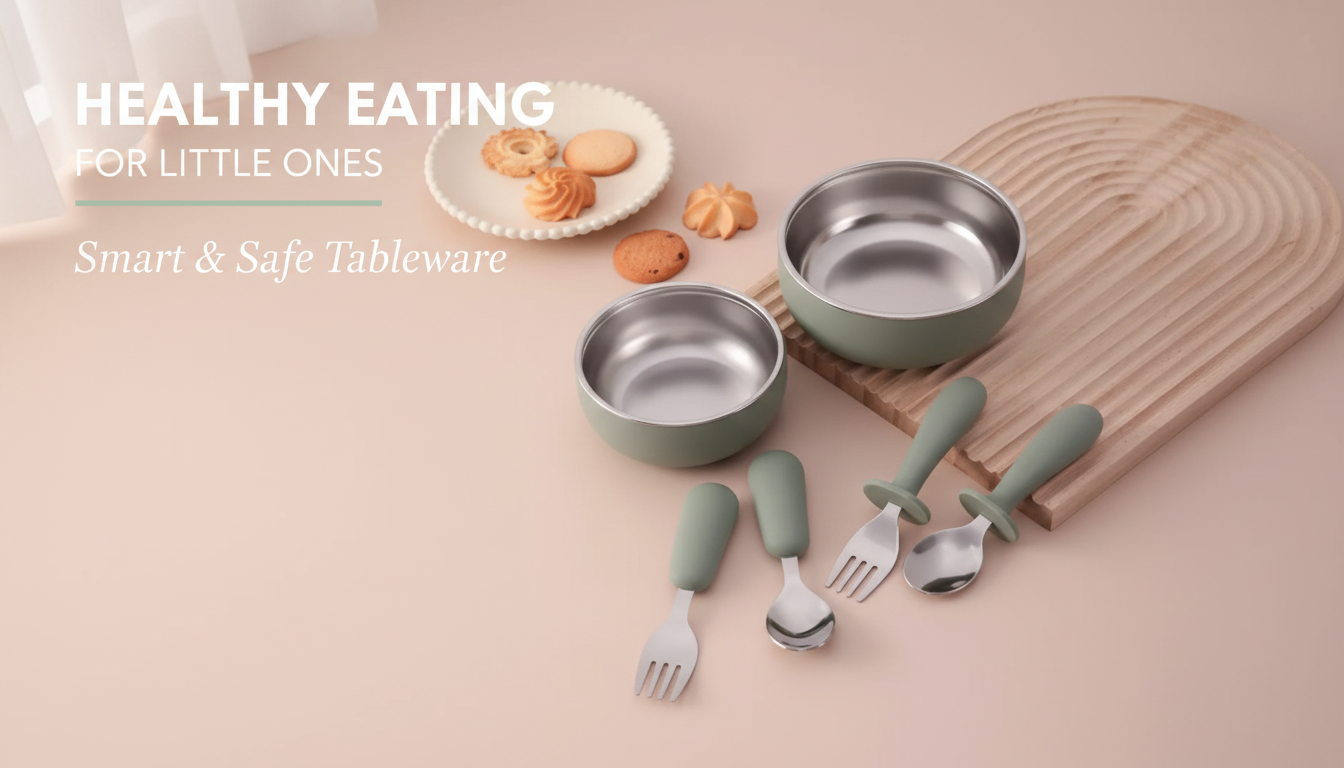
Are silicone utensils safe for babies?
Silicone utensils can be safe for babies when they’re made from 100% food-grade (or medical-grade) silicone and used as directed. Silicone is naturally soft and flexible, which helps protect tender gums and developing teeth as babies learn to self-feed. It’s also typically free from BPA and doesn’t splinter like some plastics or crack like certain rigid materials.
That said, “silicone” on the label isn’t a guarantee by itself. Quality varies, and safety depends on the specific product, how it’s manufactured, and how it’s cared for at home.
What to look for in baby-safe silicone utensils
Choose verified, food-safe materials
Look for utensils labeled 100% food-grade silicone and check that they meet common safety standards (such as FDA-compliant materials in the U.S.). Avoid products with vague descriptions or no manufacturer details.
Avoid coatings, fillers, and strong odors
High-quality silicone should not smell strongly chemical. A persistent odor or oily residue can be a red flag that fillers or low-grade compounds are present. Reputable brands will clearly describe materials and testing.
Pick baby-appropriate shapes and construction
For early self-feeding, choose short, easy-to-grip handles and soft spoon edges. Ensure there are no seams that could split, and avoid detachable parts that could become choking hazards.
Safe use and care tips
Wash silicone utensils before first use and after each meal using warm, soapy water. Many are dishwasher-safe, but check the product instructions. Replace utensils if you notice tears, deep cuts, or sticky surfaces, since damaged silicone can trap residue and be harder to clean thoroughly.
Learn more details
For a deeper breakdown of materials, safety considerations, and what to avoid, visit Are silicone utensils safe for babies?.
FAQ
How do I know if silicone baby utensils are truly food-grade?
Check for clear labeling (100% food-grade silicone) and identifiable manufacturer information, plus compliance claims like FDA-approved materials. Avoid products with missing sourcing details, strong chemical smells, or unclear material blends.










Leave a comment