Lunchbox Heroes: 10-Minute Checklist for Better Lunches
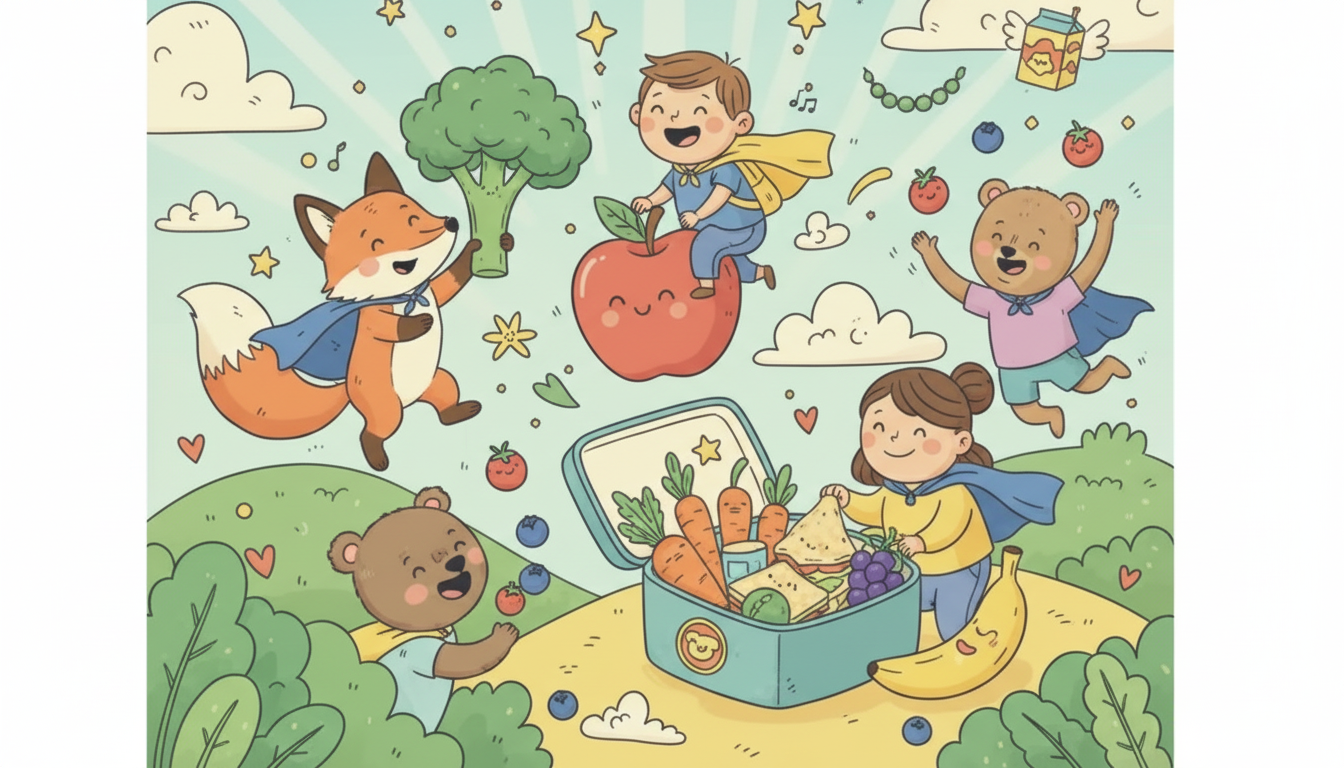
Lunchbox Heroes: A Practical Checklist for Healthier, Happier School Lunches
Packing school lunch gets easier when decisions are reduced to a simple, repeatable system. The Lunchbox Heroes checklist is designed to help build balanced lunches quickly, keep variety through the week, and reduce last-minute stress—while still leaving room for kid-friendly favorites.
Instead of starting from scratch every morning, the checklist approach turns lunch packing into a quick “confirm and pack” routine. It’s flexible enough for picky phases, schedule changes, and classroom rules, but structured enough to keep lunches more consistent and satisfying.
What the Lunchbox Heroes checklist includes
- Printable, digital download format for quick access on phone, tablet, or computer
- A checklist-style framework that helps cover key lunch components without overthinking
- Meal-planning structure that supports variety across the week (mix-and-match approach)
- Built-in space to note preferences, “always yes” foods, and items to rotate in
If you want a ready-to-use planning tool, the Lunchbox Heroes checklist printable download keeps the process simple: pick a few options, rotate them, and check off what’s packed.
How to use the checklist in 10 minutes a week
- Pick 2–3 proteins, 3–5 produce options, and 2–3 snacks for the week; rotate daily
- Pre-pack shelf-stable items (napkins, utensils, crackers) once for the week
- Use the checklist the night before to confirm each lunch has the basics covered
- Keep a “backup lunch” set (easy items that are always available) for hectic mornings
Quick weekly setup
| Task | Time | Result |
|---|---|---|
| Choose weekly options (protein, produce, snack) | 5 min | Fewer decisions each morning |
| Wash/cut produce (as needed) | 3–10 min | Grab-and-pack convenience |
| Restock lunch staples | 2 min | No surprise shortages |
| Set the lunchbox + ice pack by the door | 1 min | Smoother mornings |
A balanced lunch formula that still feels fun
A helpful baseline is to aim for a steady mix: protein + fiber-rich carb + colorful fruit/veg + hydration. If you like visual guides, the USDA’s MyPlate model can be a simple reference point for building balanced meals without counting or tracking.
- Use “one familiar, one new.” Add one safe favorite plus one rotating item to expand variety without triggering lunch refusal.
- Make it fun with presentation. Bento-style sections, color themes, small notes, and kid picks can make the same foods feel fresh.
- Keep portions realistic. Smaller servings reduce waste and help kids finish within short lunch periods.
For kids who get overwhelmed by too many choices, the checklist works like a friendly boundary: it narrows the decision to a few categories, then lets them pick within those.
School lunch ideas to plug into the planner
- Protein ideas: turkey/cheese roll-ups, hard-boiled eggs, hummus, yogurt, edamame, beans, tuna pouch (school rules permitting)
- Produce ideas: berries, apple slices, grapes (halved for younger kids), cucumber rounds, mini peppers, carrot sticks, steamed broccoli florets
- Carb ideas: whole-grain crackers, pita wedges, rice, quinoa cups, tortillas, oatmeal muffins
- “Extras” that help: olives, pickles, trail mix (nut-free if required), popcorn, chia pouch, smoothie (thermos)
Mix-and-match lunch combos
| Protein | Fruit/Veg | Carb | Bonus |
|---|---|---|---|
| Hummus | Cucumber + grape tomatoes | Pita wedges | Fruit cup |
| Greek yogurt | Berries | Granola (separate) | Dark chocolate square |
| Chicken strips | Apple slices | Whole-grain crackers | Cheese stick |
| Bean salad | Mini peppers | Tortilla | Salsa cup |
Allergy-aware and classroom-friendly swaps
Classroom policies and allergies can change what’s “easy,” but they don’t have to limit variety. The key is keeping a short list of trusted swaps right on the checklist so you’re not re-learning the rules on a rushed morning.
- Nut-free swaps: seed butter, roasted chickpeas, cheese + crackers, sunflower seed mix (confirm school policy)
- Dairy-free swaps: fortified plant yogurt, dairy-free cheese, hummus, avocado cups
- Egg-free swaps: turkey slices, beans, tofu bites, meatballs, yogurt alternatives
- Note area tip: reserve space for classroom rules and “safe” brands that consistently work
Food safety and packing tips that prevent sogginess
Keeping lunches safe and appetizing is mostly about temperature control and smart separation. The CDC’s guidance on food safety is a useful reminder: perishable foods need proper cooling, and clean containers matter.
Common lunch issues and quick fixes
| Problem | Why it happens | Fix |
|---|---|---|
| Soggy sandwiches | Moisture spreads into bread | Use a barrier (cheese/lettuce) or pack fillings separately |
| Warm yogurt/cheese | Insufficient cooling | Add ice pack + keep bag out of direct sun |
| Bruised fruit | Packed loose with heavy items | Use small container or place on top |
| Uneaten veggies | Too repetitive or too hard to chew | Try a dip cup, smaller cuts, or rotate options |
Printing and digital planning options
For nutrition guidance tailored to kids and families, HealthyChildren.org (American Academy of Pediatrics) is a helpful, parent-friendly resource for realistic eating habits.
A simple back-to-school setup that stays organized
Keeping everything “one-grab ready” can be surprisingly effective. A Large capacity student pencil case for school organization can double as a compact organizer for lunch notes, label stickers, or spare utensils—especially when mornings get hectic.
FAQ
Is this a physical product or a digital download?
It’s a printable digital download. After purchase, you can save it to your device for digital use or print as many copies as you need for your home planning setup.
What age range does the checklist work best for?
It works well for most school-age kids, from preschool through middle school. Adjust portions and choices based on appetite and independence—older kids can help select items and pack parts of their lunch.
Can it be used for allergy-friendly or school rule restrictions?
Yes. The checklist can be customized with swaps and a dedicated notes area for nut-free classrooms, dietary needs, and approved “safe” brands that fit your school’s guidelines.







Leave a comment